
South Platte River • Flood zones • Hail • Snowmelt • Basements • Frozen pipes • Insurance
Everything a Littleton homeowner should know about water damage: where the risk comes from, what each season brings, and what to do when water gets in.
Quick answer: Most water damage in Littleton comes from five things: frozen and burst pipes in winter, basement seepage during spring snowmelt and heavy rain, summer hail and thunderstorms, sewer backups, and failed water heaters or sump pumps. River flooding from the South Platte is rare but possible in low areas near the river.
Littleton sits on the Colorado Front Range just south of Denver. That location means cold, dry winters with sudden cold snaps, wet spring snow, and strong summer storms. Each one brings its own kind of water damage.
South of Denver on the Colorado Front Range, at about 5,350 feet above sea level.
Littleton is the county seat of Arapahoe County. Littleton addresses also reach into Jefferson County, including Ken Caryl and Columbine, and into Douglas County.
The South Platte River runs north through town. Smaller creeks and gulches such as Big Dry Creek and Lee Gulch carry storm water.
Chatfield Dam and Reservoir sits upstream on the South Platte. The Mile High Flood District manages flood and storm drainage across the Denver metro area.
80120, 80121, 80122, 80123, 80125, 80126, 80127, 80128, 80129 and 80130.
Centennial, Highlands Ranch, Englewood, Sheridan, Columbine and Ken Caryl.
In June 1965 heavy rain sent a wall of water down the South Platte River. The flood did major damage in Littleton and further downstream in Denver, and it is still the flood most locals talk about.
After 1965, Chatfield Dam was built south of Littleton to hold back flood water. Littleton also chose to keep much of the river floodplain as open space instead of building on it. Today that land is South Platte Park.
Is my home in a flood zone? Check your address for free on the FEMA Flood Map Service Center. Homes near the river and local creeks are most likely to be in a mapped flood zone.
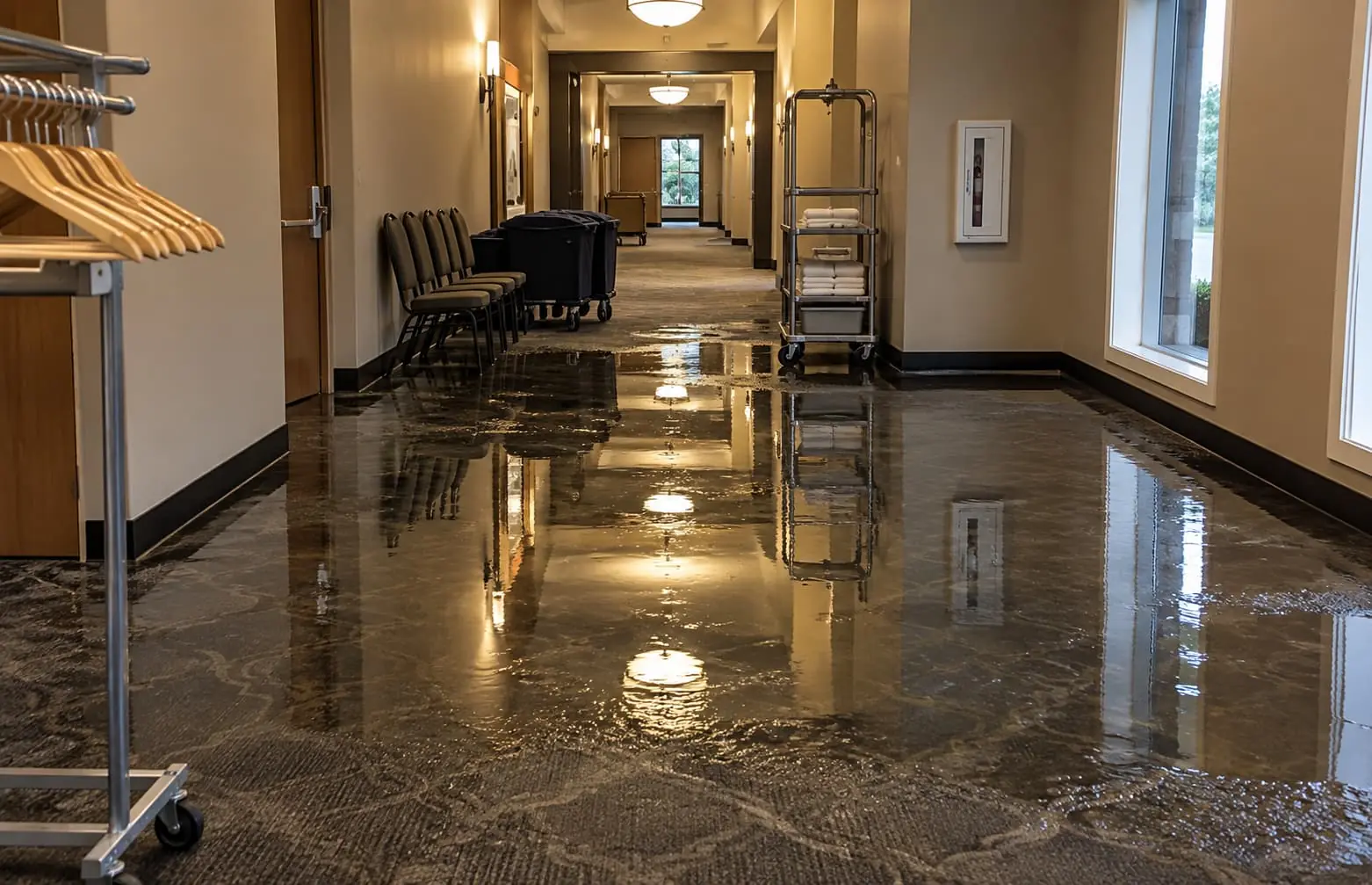
Sudden cold snaps freeze pipes in garages, crawl spaces and outside walls. Snow on the roof can form ice dams that leak into ceilings. See burst pipe water damage and ice dam water damage.
March is often one of the snowiest months on the Front Range. Heavy wet snow and fast snowmelt soak the ground and push water into basements. See basement flood cleanup.
Thunderstorms bring hail, wind and short bursts of very heavy rain. Hail breaks roofs, skylights and windows, and storm water can flood window wells. See storm water damage.
The first hard freeze can split sprinkler lines and outdoor faucets. Have sprinklers blown out and hoses removed before the first freeze. Clean gutters before snow arrives.
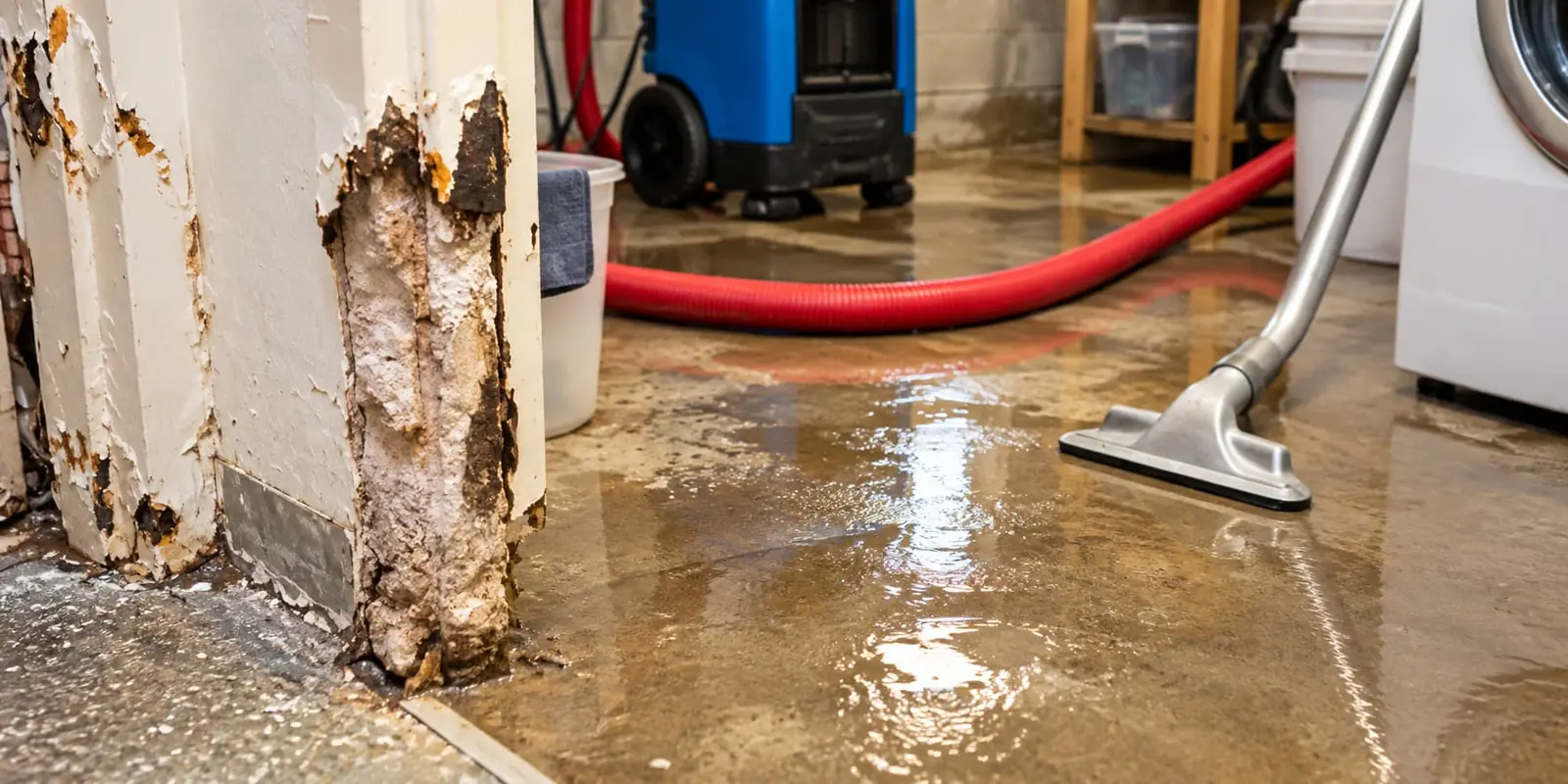
Many Littleton neighborhoods were built between the 1950s and 1980s. Older homes are more likely to have plumbing that leaks or fails with age:
Newer homes have their own risks, like finished basements with carpet and drywall that soak up water fast. Our water leak detection service finds hidden leaks before they cause big damage.
From a supply line, burst pipe or water heater. Easiest to dry if you act fast.
From a washer, dishwasher or sump pump failure. Has germs and needs cleaning.
Sewage and outside flood water. Unsafe to touch. Wet carpet and drywall must be removed. See sewage cleanup.
The IICRC S500 standard also sorts water damage into Classes 1 to 4, based on how much water soaked in and how hard it is to dry. Class 4 covers hard to dry materials like hardwood, plaster and concrete.
Quick answer: Water mitigation stops the damage from getting worse with water extraction and structural drying. Restoration is the repair after that. The EPA says to dry wet materials within 24 to 48 hours to help prevent mold.
Sudden and accidental water damage from inside the home, like a burst pipe, a failed water heater or a washing machine hose that breaks.
Outside flood water, slow leaks that went on for a long time, and worn out parts like an old roof or pipe.
Sewer and drain backup is often a separate endorsement. Ask your agent if your policy has it.
Available through the National Flood Insurance Program (NFIP) or private insurers. NFIP policies usually have a 30 day waiting period.
Many Colorado policies also have a separate wind and hail deductible. Always check your own policy. We document every job with photos and moisture readings to support your claim.
Use our free Water Damage Checker to see your water category, mold risk and insurance guide in one minute.
Some parts are. Low areas next to the South Platte River and along local creeks and gulches are shown on FEMA flood maps. Most of Littleton is outside the main flood zone, but you can check your exact address for free on the FEMA Flood Map Service Center.
In June 1965 heavy rain caused the South Platte River to flood. The water did major damage in Littleton and further downstream in Denver. After the flood, Chatfield Dam was built south of Littleton for flood control, and the city kept much of the river floodplain as open space, now South Platte Park.
Usually not. A standard homeowners policy covers sudden water damage from inside the home, like a burst pipe. Flooding from outside needs a separate flood insurance policy through the National Flood Insurance Program (NFIP) or a private insurer. NFIP policies usually take 30 days to start.
Spring brings snowmelt and heavy wet snow, and the ground around your foundation gets soaked. Clay soil along the Front Range swells when wet and pushes water through small cracks, window wells and floor joints. A working sump pump and downspouts that drain away from the house help a lot.
Pipes are most at risk when temperatures drop into the teens or below zero, especially during sudden cold snaps. Pipes in garages, crawl spaces, outside walls and unheated rooms freeze first.
The EPA says wet materials should be dried within 24 to 48 hours to help prevent mold. After that, mold can start growing on drywall, carpet pad and wood.
For a gas smell or electrical danger, leave the house and call 911 or Xcel Energy. For a broken water main in the street, call the water district on your bill. For water inside your home, call Littleton Water Pros 24/7 at (720) 664 0553.
Every minute counts when water is spreading. Call now and speak to a real Littleton technician 24/7.
(720) 664 0553Send us your water damage details and our Littleton team will get back to you quickly with a no obligation estimate.
Request an Estimate