Ceiling leaks • Wall water damage • Wet attic insulation • Drying • Mold prevention • Insurance documentation
When melting snow backs up behind an ice dam, water can leak under shingles and into your attic, ceilings and walls. We remove the water, dry the structure and help stop mold. Open 24/7.
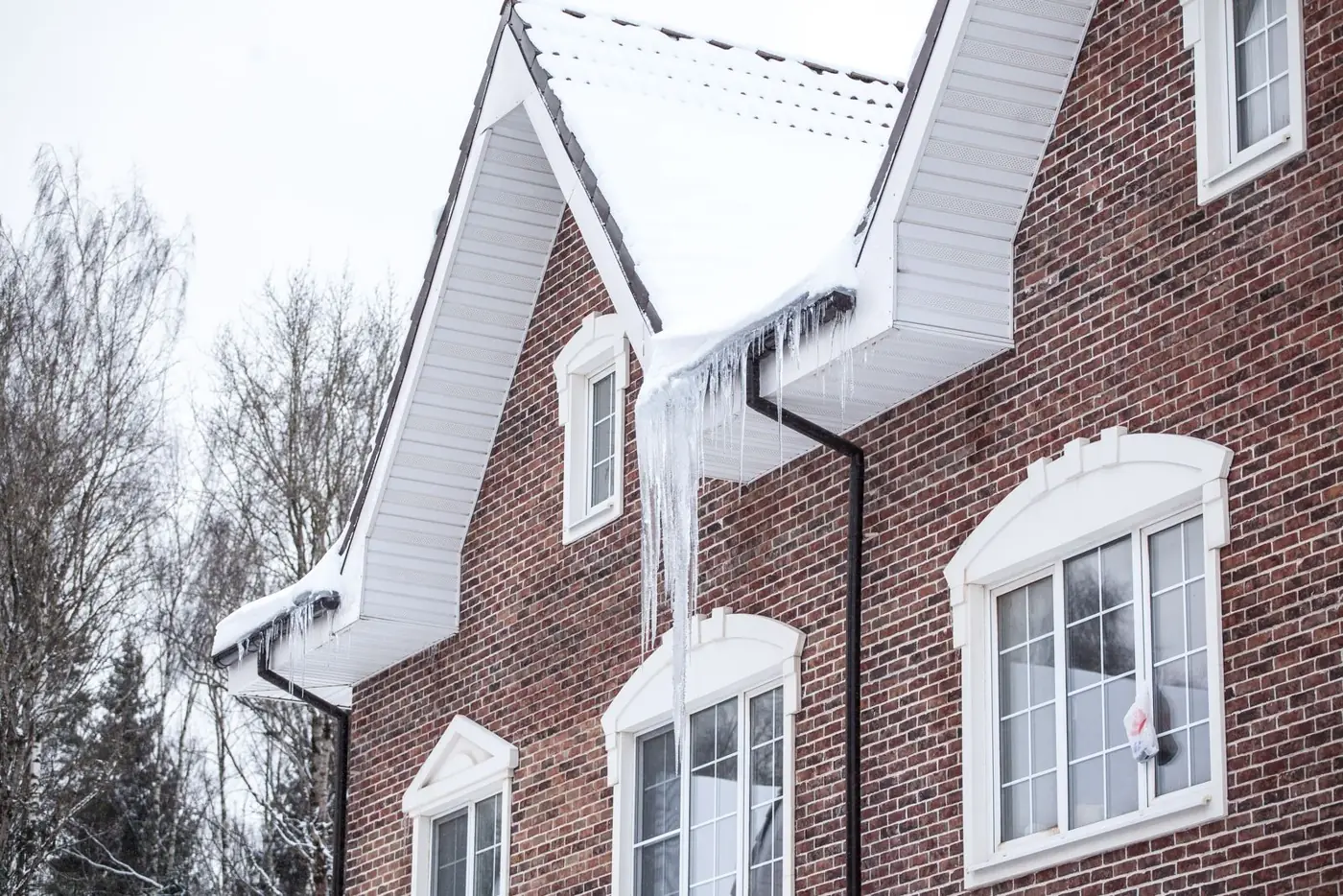
Quick answer: An ice dam is a ridge of ice that forms at the edge of a roof. Heat from the house melts snow higher up, the water runs down and freezes again at the cold roof edge. Water then pools behind the ice and can leak under the shingles into your home.
Colorado snowstorms are often followed by sunny days and freezing nights. That melt and refreeze cycle is exactly what builds ice dams, especially on homes with warm attics.
We find wet areas with moisture meters and a thermal camera, then dry ceilings and wall cavities.
Soaked insulation stops working and holds water. We remove it so the attic can dry.
We clean and treat wet framing and drywall to help stop mold before it starts.
We also give you photos, moisture readings and a drying log for your insurance claim.
Short answer: A roofer or ice dam removal company removes the ice, often with low pressure steam. Littleton Water Pros handles the water damage inside your home: extraction, drying, removing wet materials and mold prevention. Most ice dam leaks need both.
Short answer: Many homeowners policies cover sudden water damage inside the home caused by an ice dam. Removing the ice itself and fixing an old or worn roof are often not covered. Check your policy or ask your agent.
Use our free Water Damage Checker to see your water category, mold risk and insurance guide in one minute.
Look for a thick ridge of ice and large icicles at the roof edge, plus water stains, peeling paint or drips on ceilings and walls near the outside of the house. A wet or musty attic is another sign.
Yes. Colorado snowstorms followed by sunny days and cold nights create the melt and refreeze cycle that forms ice dams, especially on homes with warm attics and poor ventilation.
It can. Wet insulation, drywall and wood can start growing mold within 24 to 48 hours. Fast drying and removing soaked insulation lowers the risk.
Most ceilings and walls take a few days to dry with professional equipment. It depends on how much water got in and whether insulation above the ceiling is wet.
Every minute counts when water is spreading. Call now and speak to a real Littleton technician 24/7.
(720) 664 0553Send us your water damage details and our Littleton team will get back to you quickly with a no obligation estimate.
Request an Estimate